5 Real-World BIM Case Studies That Changed Construction Outcomes
May 29, 2026
Category: Uncategorized
SEO TSA

Building Information Modeling (BIM) is no longer just a design tool—it has become a powerful process that transforms how construction projects are planned, executed, and managed. Across the globe, BIM has helped reduce errors, optimize costs, and improve collaboration among stakeholders.
In this blog, we explore five real-world BIM case studies that demonstrate how this technology has significantly improved construction outcomes and set new industry benchmarks.
1. Shanghai Tower, China
The Shanghai Tower, one of the tallest buildings in the world, is a landmark example of BIM implementation in complex high-rise construction.
BIM was used extensively to manage the building’s twisted structure and complex geometry. Through advanced 3D modeling and simulation, the project team optimized the design and reduced material waste. BIM also enabled seamless coordination between multiple disciplines, minimizing clashes before construction began.
As a result, the project achieved better energy efficiency, reduced construction errors, and streamlined communication across teams.

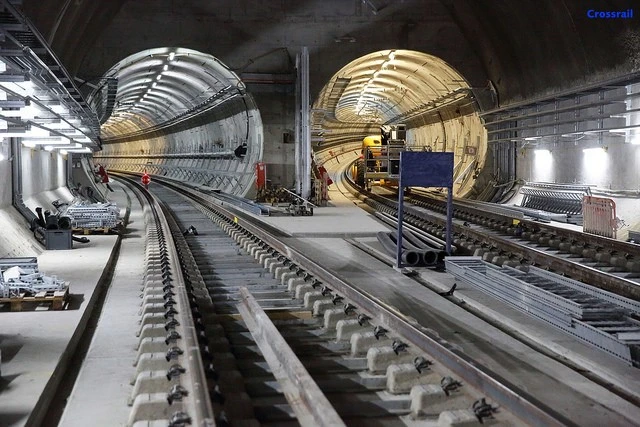
2. Crossrail Project, London
The Crossrail project (now known as the Elizabeth Line) is one of Europe’s largest infrastructure developments and a prime example of BIM in large-scale coordination.
BIM was used to integrate data from multiple contractors, engineers, and designers working across different locations. A centralized BIM model allowed real-time collaboration, reducing miscommunication and delays.
This approach significantly improved project transparency and helped manage risks effectively, ensuring better control over timelines and budgets.
3. Sutter Health Medical Center, USA
Healthcare projects require precision and coordination, and the Sutter Health Medical Center leveraged BIM to meet these demands.
The project used BIM for clash detection and prefabrication planning. By identifying conflicts in the virtual model before construction, the team avoided costly on-site changes. BIM also supported lean construction practices, reducing waste and improving efficiency.
The result was faster project delivery, improved quality, and significant cost savings.

4. Sydney Opera House Renovation, Australia
Even iconic structures benefit from BIM, as seen in the renovation of the Sydney Opera House.
BIM was used to create a detailed digital representation of the existing structure, enabling accurate planning for upgrades and maintenance. This was particularly important given the building’s complex design and heritage value.
With BIM, the project team minimized disruptions, improved asset management, and ensured that renovations were carried out efficiently without compromising the structure’s integrity.

5. Delhi Metro Rail Corporation (DMRC), India
The Delhi Metro is one of India’s most successful infrastructure projects, and BIM played a crucial role in its expansion phases.
BIM was used for design coordination, construction planning, and clash detection. It helped engineers visualize the project in advance, reducing rework and improving execution speed.
By leveraging BIM, the project achieved better cost control, faster delivery, and improved safety standards—making it a benchmark for infrastructure development in India.

Key Takeaways from These BIM Case Studies
These projects highlight how BIM is transforming construction across different sectors—from skyscrapers to public infrastructure. The key benefits observed include:
- Improved coordination and collaboration
- Reduced errors and rework
- Better cost estimation and control
- Enhanced project visualization
- Faster project delivery
Why BIM Matters More Than Ever in 2026
As construction projects become more complex, the need for smarter workflows continues to grow. BIM is now essential for achieving efficiency, sustainability, and accuracy in modern construction.
Professionals who understand BIM are better equipped to handle real-world challenges and deliver high-quality projects on time and within budget.
Conclusion
These real-world BIM case studies clearly show that BIM is not just a trend—it is a necessity for the future of construction. From improving coordination to reducing costs, BIM has proven its value across diverse projects worldwide.
If you’re looking to build a career in this field, gaining practical BIM knowledge is the key to staying ahead in the industry.

Blog Categories