What is Computational Design in Architecture?
Apr 10, 2026
Category: Uncategorized
SEO TSA
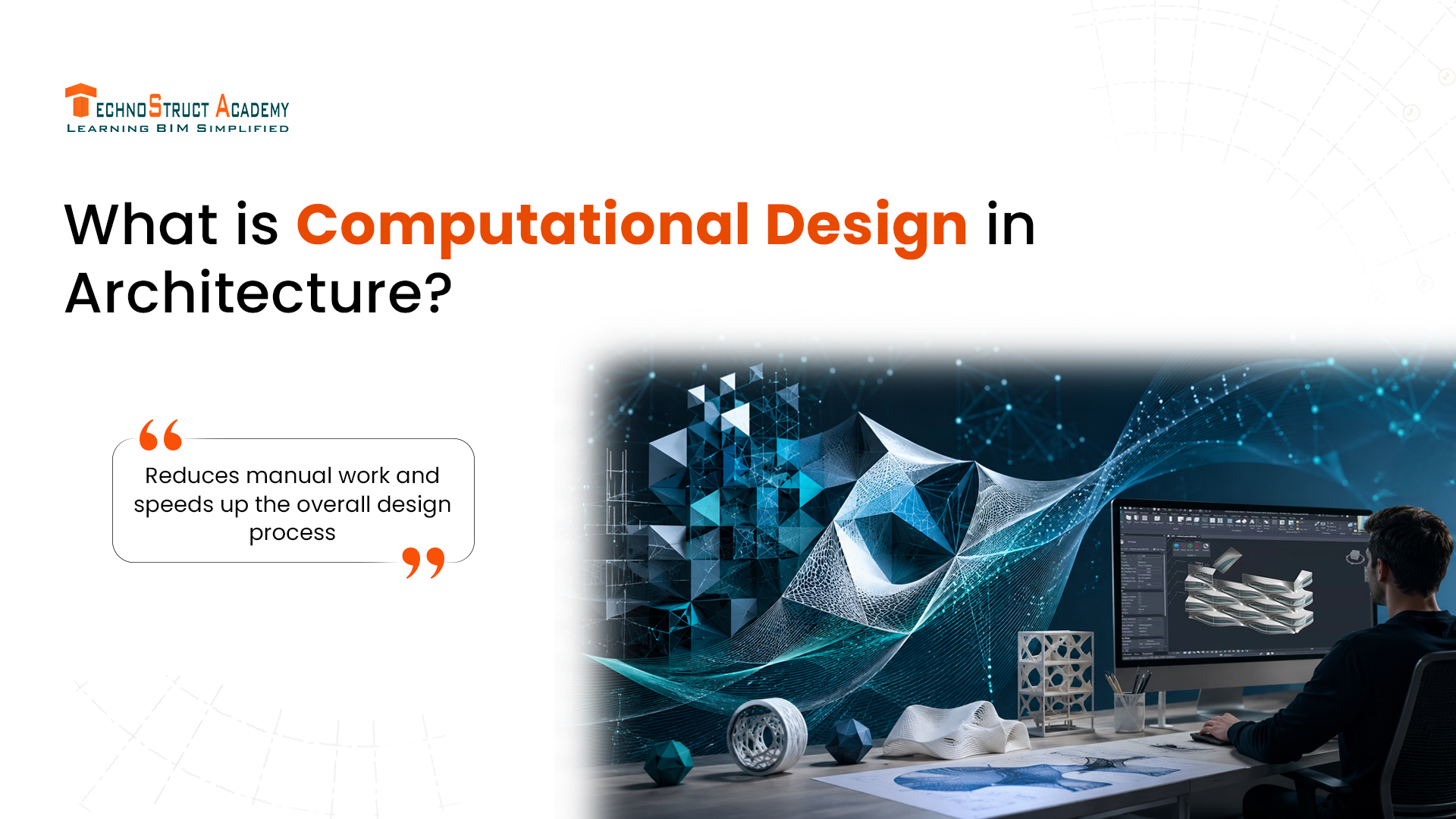
Architecture is rapidly evolving with technology, and one of the biggest drivers of this change is computational design in architecture. Instead of relying only on manual drafting and intuition, architects now use algorithms and digital tools to create smarter and more efficient designs.
This approach allows professionals to explore multiple design possibilities in less time while improving accuracy and performance. As construction projects become more complex, computational design is no longer optional—it is becoming essential.
What is Computational Design in Architecture?
Computational design in architecture is a method of creating and optimizing building designs using algorithms, data, and digital tools. Rather than drawing every element manually, architects define rules and parameters, and the system generates design options based on those inputs.
In simple terms, it shifts the role of the architect from “drawing shapes” to “defining logic.” For example, instead of manually designing a building façade, you can set parameters like dimensions, sunlight exposure, and materials, and the software will generate multiple optimized variations.
This not only speeds up the design process but also leads to better decision-making.
How Computational Design Works
The process of computational design is based on logic and automation. It starts with defining parameters such as size, environmental conditions, and project requirements. These inputs are then translated into algorithms that guide the design.
Once the logic is in place, the system generates multiple design options. Each option can be analyzed for performance, cost, and sustainability. Based on this analysis, the most efficient design is selected and refined further.
This workflow allows architects to explore possibilities that would be difficult or time-consuming using traditional methods.
Understanding Key Concepts
Computational design is built on concepts like parametric design, generative design, and algorithmic design. Parametric design focuses on relationships between elements, so any change in one parameter automatically updates the entire model. Generative design goes a step further by producing multiple design solutions based on goals and constraints. Algorithmic design, on the other hand, involves writing logic or scripts that control how a design is created.
Together, these approaches make architectural design more dynamic and responsive.
Why Computational Design Matters in Modern Architecture
One of the biggest advantages of computational design is efficiency. It reduces manual work and speeds up the overall design process. At the same time, it improves accuracy by minimizing human errors and ensuring that designs are based on precise data.
Another important benefit is flexibility. Designers can quickly modify parameters and instantly see updated results, which makes it easier to experiment and innovate. Computational design also makes it possible to create complex geometries and advanced structures that are difficult to achieve manually.
As sustainability becomes a priority, this approach helps optimize buildings for energy efficiency and performance, making it highly valuable in modern construction.
Role of Computational Design in BIM
Computational design works closely with BIM (Building Information Modeling), enhancing its capabilities. While BIM focuses on creating detailed and data-rich models, computational design adds intelligence and automation to the process.
This combination allows teams to automate repetitive tasks, improve coordination, and optimize designs more effectively. It also helps in reducing clashes, improving collaboration, and ensuring better project outcomes.
In today’s construction environment, integrating computational design with BIM is becoming a standard practice.
Tools Used in Computational Design
Several tools are widely used in computational design, each serving a specific purpose. Software like Grasshopper and Dynamo are popular for parametric and BIM-based workflows, while Rhino is commonly used for complex geometry modeling. Programming languages like Python are also used to create custom algorithms and automate processes.
Learning these tools can significantly improve your efficiency and open up new career opportunities in architecture and engineering.
Real-World Applications
Computational design is already being applied in real-world projects across the globe. It is used to design energy-efficient buildings, create complex façades, and optimize structural systems. It also plays a key role in urban planning and the development of smart cities.
These applications show that computational design is not just a theoretical concept—it is a practical tool that is shaping the future of architecture.
Why You Should Learn Computational Design in 2026
As the AEC industry continues to adopt advanced technologies, the demand for professionals skilled in computational design is increasing. Companies are looking for individuals who can automate workflows, optimize designs, and work with modern tools.
Learning computational design can give you a competitive edge and open doors to high-growth career opportunities. It is especially valuable for architects, civil engineers, and BIM professionals who want to stay relevant in a rapidly evolving industry.
Learn Computational Design with Technostruct Academy
If you are planning to build expertise in this field, choosing the right training platform is important. Technostruct Academy offers practical and industry-focused courses that help you learn computational design along with BIM integration.
With real-world projects and expert guidance, you can develop the skills needed to succeed in modern architecture and construction.
Conclusion
Computational design in architecture is transforming the way buildings are designed and constructed. By combining creativity with technology, it allows architects to create smarter, more efficient, and highly optimized designs.
As we move further into 2026, this approach will continue to play a crucial role in shaping the future of the industry. For anyone looking to grow in architecture or BIM, learning computational design is no longer optional—it is a necessity.

Blog Categories