How BIM is Transforming MEP Engineering in Modern Construction
Apr 03, 2026
Category: Uncategorized
SEO TSA
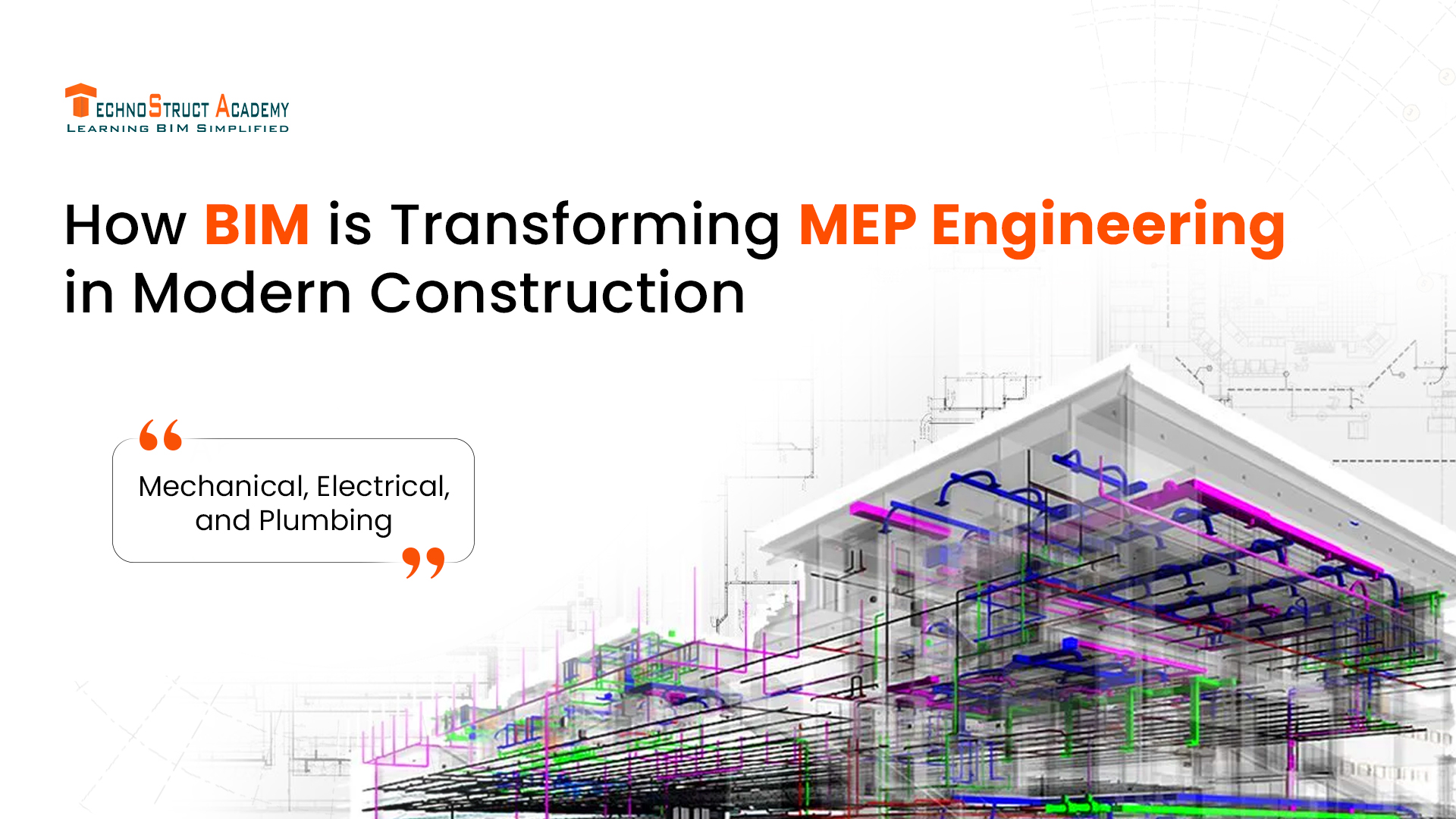
MEP (Mechanical, Electrical, and Plumbing) systems are the backbone of any building. Traditionally, MEP design faced issues like coordination errors and rework. With the adoption of BIM, the MEP engineering is undergoing a major transformation.
1. Improved Coordination Between Disciplines
BIM allows architects, structural engineers, and MEP professionals to work on a shared model. This ensures better coordination and fewer design conflicts.
2. Efficient Clash Detection
Using BIM tools, engineers can detect clashes between MEP systems and structural elements before construction begins. This significantly reduces costly rework.
3. Enhanced Design Accuracy
BIM enables precise modeling of MEP components, ensuring accurate layouts and better system performance.
4. Faster Project Execution
With improved planning and coordination, BIM helps speed up project timelines and enhances productivity.
5. Cost Optimization with 5D BIM
By integrating cost data into the BIM model, engineers can estimate expenses more accurately and reduce budget overruns.
6. Better Facility Management
BIM models are not only useful during construction but also for maintenance and operations, making facility management more efficient.
Conclusion
BIM is revolutionizing MEP engineering by improving efficiency, reducing errors, and enhancing collaboration. As the construction industry evolves, BIM is becoming an essential tool for MEP professionals.

Blog Categories